
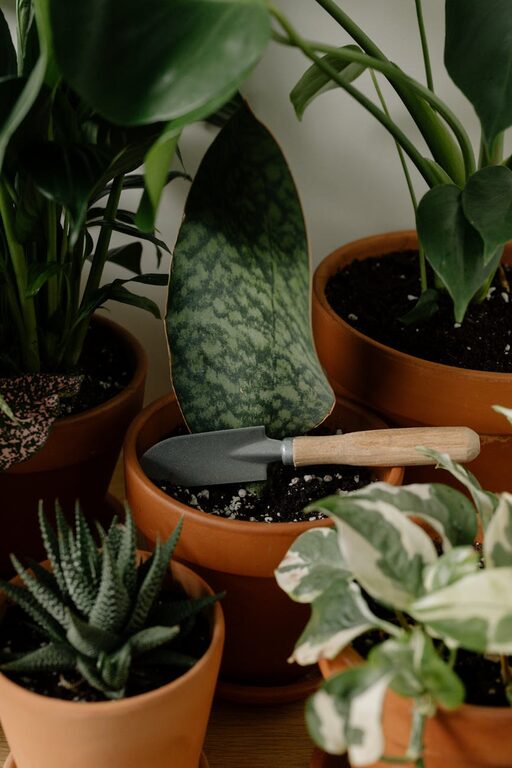
Bringing houseplants into your living space has become a popular trend for good reason. Beyond their aesthetic appeal, houseplants offer several benefits that can improve your home environment and overall wellbeing. Whether you’re a seasoned plant enthusiast or a beginner looking to add a touch of nature indoors, understanding their advantages and basic care requirements will help you enjoy your greenery for years to come.
The Benefits of Having Houseplants in Your Home
1. Improved Air Quality
One of the standout benefits of houseplants is their ability to purify the air. Plants absorb carbon dioxide and release oxygen through photosynthesis, creating a fresher atmosphere. Some species can also filter harmful toxins such as formaldehyde and benzene, commonly found in household products and furnishings.
2. A Boost to Mental Health
Houseplants are known to reduce stress and improve mood. Caring for plants can be therapeutic, offering a sense of responsibility and calm. Studies have shown that spending time around greenery can lower blood pressure and boost feelings of happiness.
3. Enhanced Interior Aesthetics
Greenery naturally brightens up any space. Plants add texture, colour, and life, making rooms feel more inviting. They work well in various décor styles, from minimalistic to eclectic, enhancing visual appeal effortlessly.
4. Increased Humidity
Indoor plants release moisture into the air, which can help combat dry environments. This added humidity is especially beneficial during the colder months when heating systems tend to dry out indoor air. Proper humidity levels can prevent dry skin, irritated sinuses, and respiratory issues.
5. Improved Concentration and Productivity
Having plants in workspaces or study areas has been linked to increased concentration and productivity. The presence of greenery can reduce feelings of fatigue and mental exhaustion, making it easier to focus on tasks.
Tips for Caring for Your Houseplants
Choose the Right Plant for Your Space
Not all houseplants thrive in the same conditions. Consider the amount of natural light your room receives and the level of care you can provide. For low-light areas, plants like snake plants, pothos, or ZZ plants are ideal. For brighter spaces, consider succulents, spider plants, or peace lilies.
Watering Wisely
One of the most common mistakes is overwatering. Most houseplants prefer their soil to dry out slightly between waterings. Check the soil moisture by inserting your finger about an inch deep — water only if it feels dry. Always use pots with drainage holes to prevent waterlogging, which can cause root rot.
Provide Appropriate Light
Plants need light for photosynthesis, but the amount varies between species. Some plants prefer direct sunlight, while others thrive in indirect or diffused light. Observe your plants regularly for signs of too much sun (bleached or scorched leaves) or too little (drooping or yellowing leaves).
Use Suitable Soil and Fertiliser
Use a quality potting mix tailored for your plant type. For example, succulents require a well-draining cactus mix, while ferns prefer a peat-rich soil. Feeding your plants with a balanced liquid fertiliser during the growing season (spring and summer) supports healthy growth. Follow product instructions carefully to avoid overfeeding.
Maintain Humidity and Temperature
Most houseplants thrive in temperatures between 18°C and 24°C with moderate humidity. To boost humidity, especially in dryer rooms, try misting your plants, placing them on trays filled with water and pebbles, or using a humidifier. Avoid positioning plants near drafts or heat sources like radiators.
Prune and Clean Regularly
Removing dead or yellowing leaves keeps your plants healthy and encourages new growth. Regularly wipe leaf surfaces with a damp cloth to remove dust, allowing better light absorption and reducing pests.
Repot When Necessary
As your plant grows, it may outgrow its pot. Signs include roots growing out of drainage holes or slowed growth. Repot your plant into a slightly larger container, refreshing the soil to provide new nutrients.
Monitor for Pests and Diseases
Check your plants frequently for any signs of pests like aphids, spider mites, or scale. Early detection makes treatment easier. Use natural remedies like neem oil or insecticidal soap as first steps before considering chemical options.
Conclusion
Houseplants not only enhance the beauty of your home but also contribute positively to your health and environment. By choosing suitable plants and following simple care guidelines — such as proper watering, light management, and occasional feeding — you can enjoy thriving indoor greenery. Whether placed on a windowsill, desk, or as a statement piece, these natural companions bring a slice of nature’s calm into your daily life. Happy planting!
About the Author