Starting a small vegetable garden at home is a rewarding way to enjoy fresh, nutritious produce while connecting with nature. Whether you have a spacious backyard or a modest balcony, there are simple steps you can take to grow your own vegetables successfully. In this post, we’ll explore practical tips to help you get started, maintain your garden, and enjoy bountiful harvests.
Why Start a Vegetable Garden at Home?
Growing your own vegetables offers several benefits:
– Access to fresh, organic produce
– Savings on grocery bills
– Physical activity and stress relief
– Opportunity to teach children about nature and food sources
– A sustainable, eco-friendly hobby
Even if you’re a complete beginner, a small vegetable garden can be both manageable and enjoyable with the right approach.
Choosing the Right Location
Consider Sunlight
Most vegetables need at least 6 hours of direct sunlight daily. Observe your outdoor space throughout the day to identify sunniest spots. If full sun isn’t available, leafy greens like lettuce and spinach tolerate partial shade.
Soil Quality
Good soil is key to healthy plants. Aim for well-draining soil rich in organic matter. If your soil is poor or compacted, consider using raised beds or containers filled with quality compost and potting mix.
Accessibility and Convenience
Place your garden near your kitchen or water supply. This encourages regular care and makes harvesting easier.
Selecting Vegetables for Your Garden
Start Small and Simple
Choose vegetables suited to your climate and easy to grow. Some beginner-friendly options include:
– Tomatoes
– Lettuce and salad greens
– Radishes
– Carrots
– Courgettes (zucchini)
– Herbs like basil, parsley, and chives
Consider Growth Time
Pick plants with different growing periods to enjoy fresh produce throughout the season.
Preparing Your Garden Bed or Containers
Garden Beds
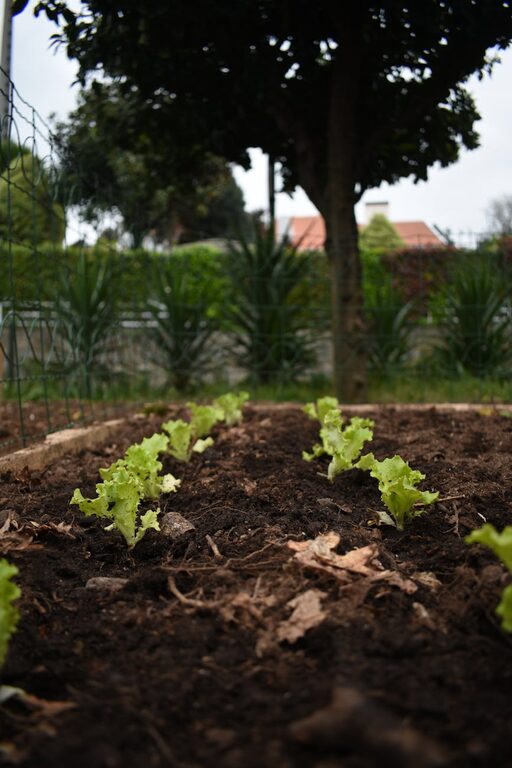
Clear weeds and debris, then loosen the soil with a fork or spade. Mix in compost to improve fertility and structure. Create rows or mounds depending on the vegetables you plan to grow.
Containers
Choose pots or troughs with good drainage holes. Use a high-quality, well-draining potting mix. Ensure containers are large enough to accommodate root growth.
Planting Your Vegetables
Seeds or Seedlings?
Starting from seeds is economical and offers a wide variety, but seedlings (young plants) give a head start and can be easier for beginners.
Follow Planting Instructions
Read seed packets or plant labels carefully for depth, spacing, and planting times. Overcrowding can limit growth and increase disease risk.
Planting Tips
– Water the soil before planting
– Handle seedlings gently to avoid damaging roots
– Plant at the right depth; usually, seeds go twice as deep as their size
Caring for Your Vegetable Garden
Watering
Vegetables need consistent moisture. Water deeply at the base early in the morning or late afternoon to reduce evaporation and prevent fungal diseases.
Feeding
Apply organic fertilisers such as compost tea or well-rotted manure periodically. Follow recommendations for specific plants.
Weed Control
Weeds compete for nutrients and water. Remove them regularly by hand or with a hoe, taking care not to disturb young plants.
Pest Management
Inspect plants often for pests. Encourage beneficial insects like ladybirds, or use natural remedies such as neem oil or soapy water sprays. Avoid harsh chemicals.
Harvesting Your Vegetables
Knowing When to Harvest
Harvest leafy greens when young and tender. Fruit vegetables like tomatoes and courgettes should be picked when they reach their mature size and colour. Regular harvesting encourages more production.
Use Clean Tools
Use scissors or garden shears to avoid damaging plants.
Additional Tips for Success
– Keep a gardening journal to track what works well
– Rotate crops annually to maintain soil health
– Mulch around plants to retain moisture and suppress weeds
– Join local gardening groups or online forums for advice and community support
Conclusion
With patience and consistent care, a small vegetable garden at home can provide healthy, delicious produce while offering a fulfilling hobby. Start with simple steps, enjoy the process, and learn as you grow. Happy gardening!
About the Author