Creating a cosy and inviting home office space is more important than ever. With many of us spending significant time working from home, having a designated area that promotes comfort and focus can make a big difference to both productivity and wellbeing. Whether you have a spare room or a small corner, there are plenty of ways to design a space that feels welcoming and inspires you to work efficiently.
Why a Cozy Home Office Matters
A cosy home office isn’t just about looks – it impacts your mood, motivation, and ability to concentrate. When a workspace is comfortable and personalised, it can reduce stress and help maintain a healthy work-life balance. Plus, spending time in a pleasant environment makes it easier to stick to routines and avoid distractions.
Choosing the Right Location
Start by selecting the ideal spot for your home office.
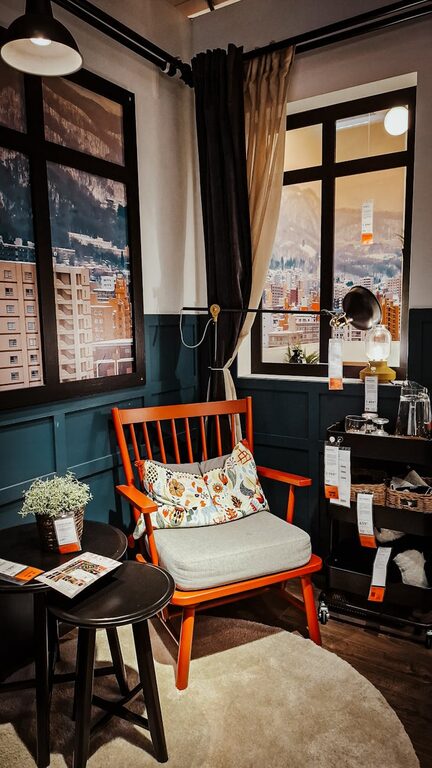
– Natural Light: Try to position your desk near a window to benefit from natural daylight, which can improve focus and reduce eye strain.
– Quiet Area: Choose a quieter corner or room where you can work with minimal interruptions.
– Space Considerations: Even a small nook can be turned into a functional office with some clever organisation.
Selecting Comfortable Furniture
Comfort is key when it comes to furniture for a home office.
– Ergonomic Chair: Invest in a supportive chair that encourages good posture during long hours.
– Desk Size: Choose a desk that fits your needs, providing enough surface space without overwhelming the room.
– Flexible Options: Consider adjustable desks or compact designs if space is limited.
Adding Personal touches
Decorating your office space with items that reflect your personality helps create a welcoming atmosphere.
– Art and Photos: Hang artwork or photographs that inspire and uplift you.
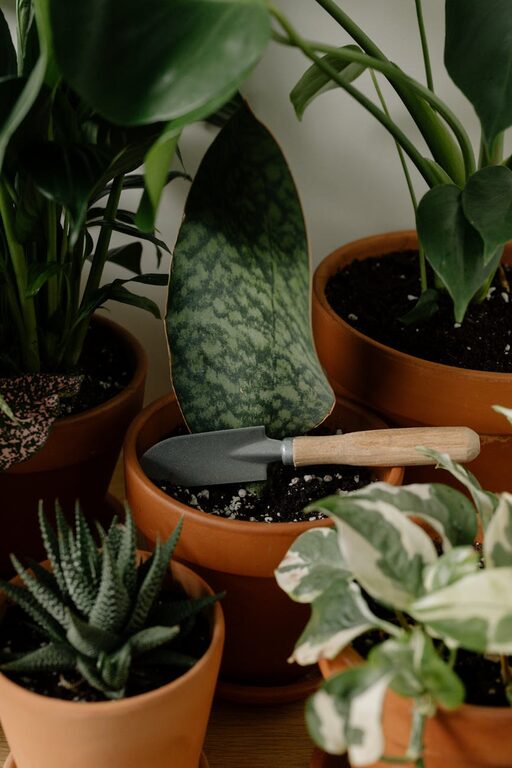
– Plants: Adding greenery can brighten the space and improve air quality.
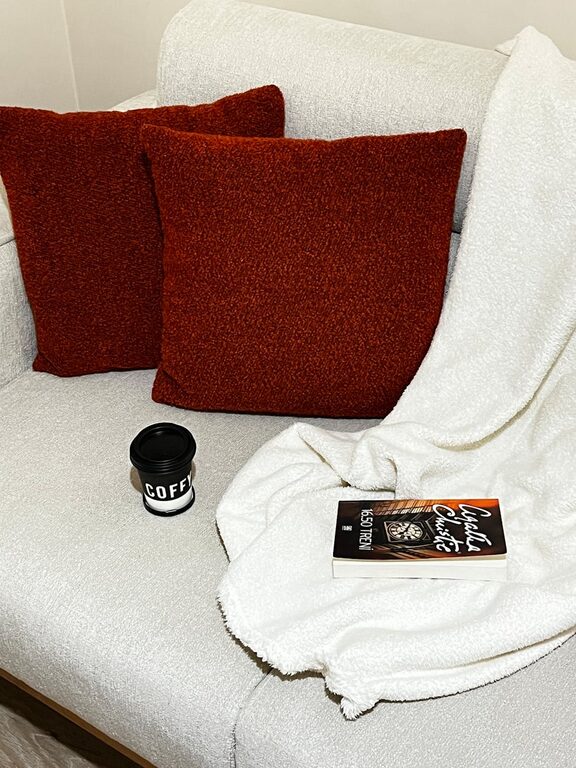
– Textiles: Use cushions, rugs, or throws in cosy fabrics to add warmth.
Lighting Matters
Good lighting plays a crucial role in creating an inviting workspace.
– Layered Lighting: Combine ambient light with task lighting, such as a desk lamp, to reduce eye strain.
– Adjustable Fixtures: Adjustable lamps help direct light exactly where you need it.
– Soft Bulbs: Use warm, soft light bulbs for a relaxing and comfortable feel.
Organising the Space
A tidy and organised office promotes clearer thinking and minimises distractions.
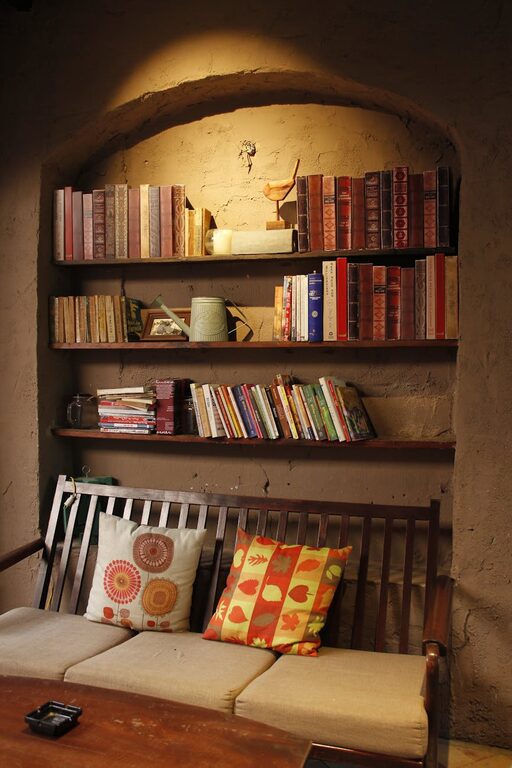
– Storage Solutions: Use shelves, drawers, and organisers to keep supplies and documents neat.
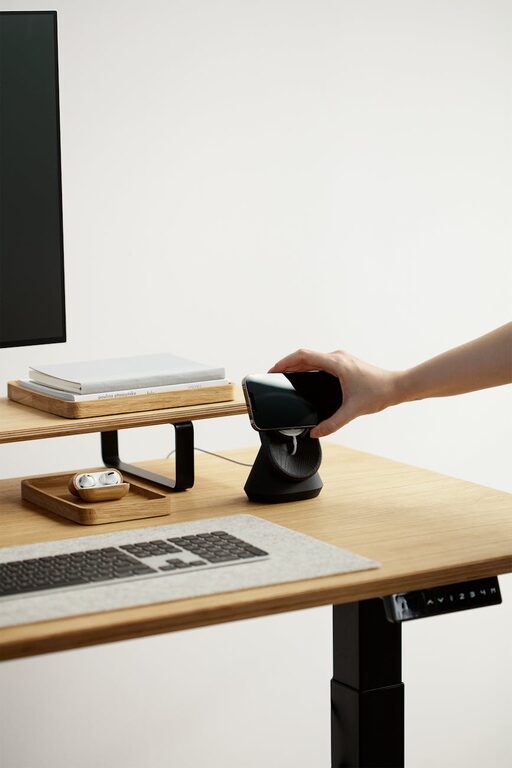
– Cable Management: Keep cables tidy using clips or boxes to avoid clutter.
– Minimalism: Avoid overcrowding your desk, keeping only essentials within arm’s reach.
Incorporating Technology Wisely
Technology is essential but can also add to visual clutter.
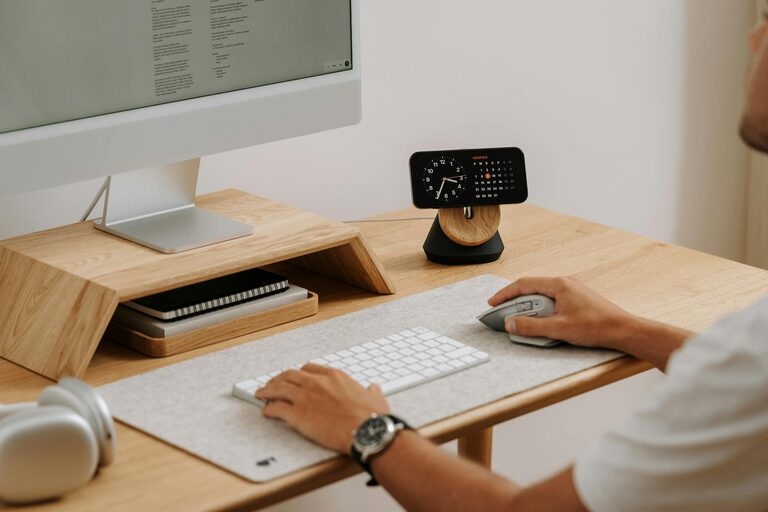
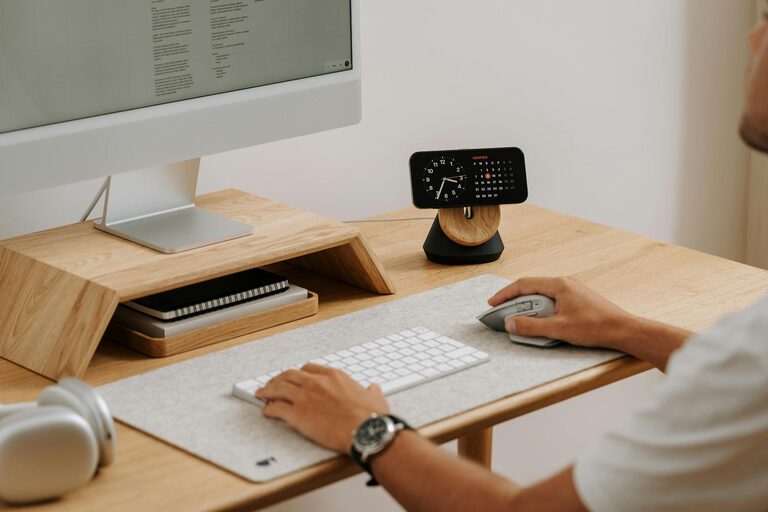
– Wireless Devices: Using wireless keyboards, mice, and chargers reduces cable mess.
– Screen Placement: Position screens to avoid glare and ensure comfortable viewing angles.
– Audio: Consider noise-cancelling headphones or a small speaker for background music, which can help concentration.
Creating Boundaries
If your home office is part of a shared space, setting boundaries can help improve focus.
– Room Dividers: Use screens or curtains to separate your workspace.
– Defined Hours: Establish clear work hours and routines to separate work from relaxation.
– Signage or Signals: Use signs or visual cues to alert others when you’re busy.
Maintaining Comfort Throughout the Year
Working from home means your office needs to stay comfortable regardless of the season.
– Temperature Control: Use fans in summer, heaters in winter, and ensure good ventilation.
– Soft Furnishings: Seasonal throws or cushions can add extra warmth when needed.
– Window Treatments: Blinds or curtains help control light and temperature.
Final Thoughts
Designing a cosy and inviting home office doesn’t require a big budget or a large space. By focusing on comfort, organisation, personal touches, and good lighting, you can create a pleasant environment that encourages productivity and wellbeing. Take time to adjust your setup as your needs change, and don’t be afraid to experiment until you find what works best for you. A little effort goes a long way in making your home office a place you look forward to spending time in.
About the Author